
The ACTE CareerTech Vision Conference is always a great pulse check on where career and technical education is headed, and this year didn’t disappoint. The AET Labs team had the chance to explore new technologies, connect with leading manufacturers, and talk with our customers about the future of technical training.
Here are five trends that stood out to us and what they could mean for CTE programs across New England:
1. Rise of Robots in Advanced Manufacturing and Metal Fabrication
Automation continues to transform manufacturing, especially in areas like machine tending and welding. For advanced manufacturing and metal fabrication programs, experience with automated processes is a skill that's becoming increasingly essential in today's smart factories.
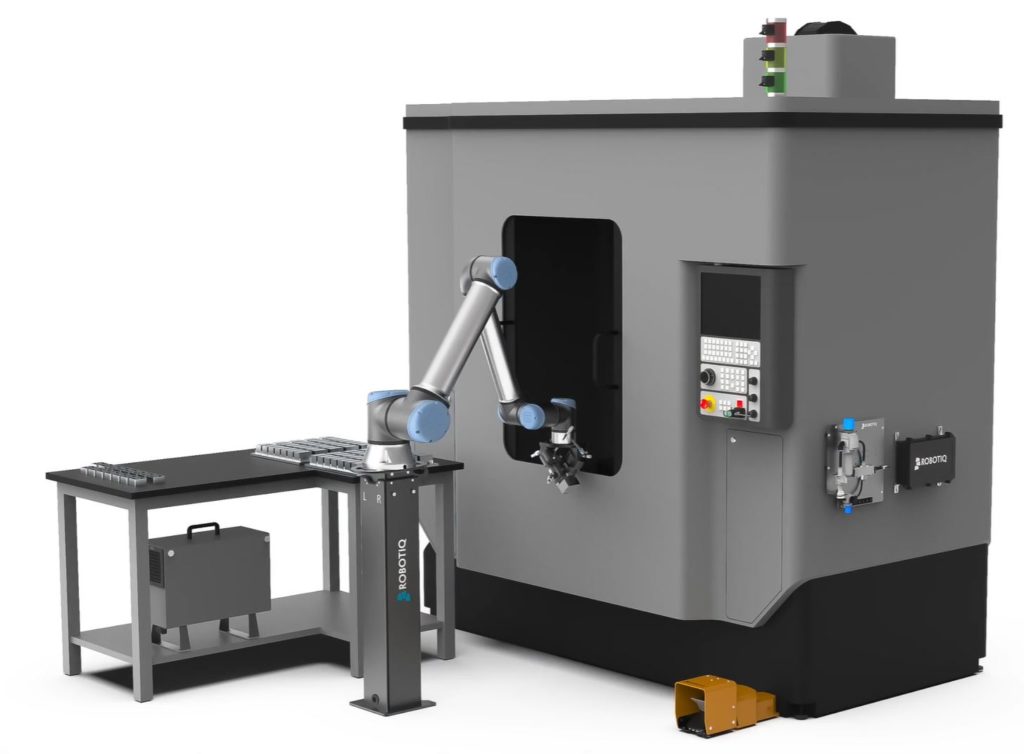
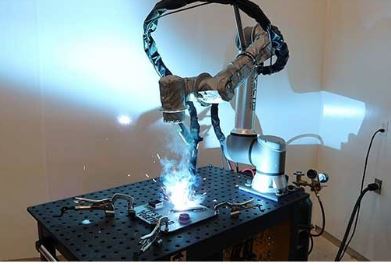
We saw robotic arms designed to work seamlessly with CNC machines, teaching students how to safely load and unload parts in automated workflows. Robotic welding systems were also a major focus, which give students hands-on experience with the same automated welding processes used across automotive, aerospace, and fabrication industries.
2. Realistic AR/VR Is Making Career Training More Accessible
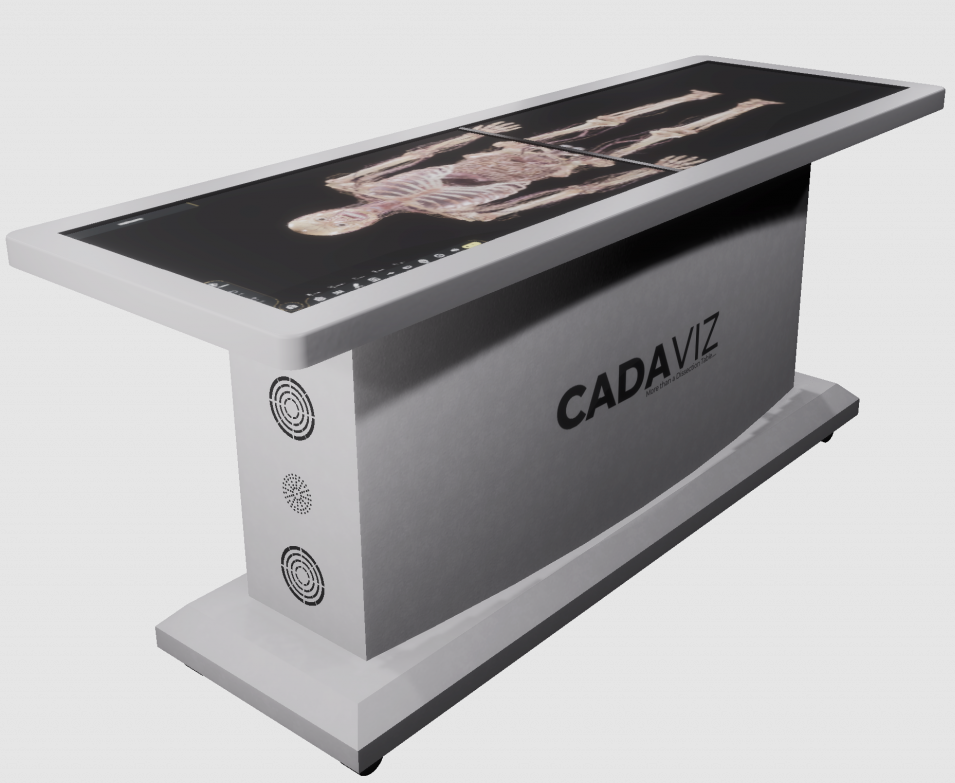
We saw some incredibly lifelike augmented reality (AR) and virtual reality (VR) training tools this year, especially in areas like healthcare, welding, and emergency services. These platforms give students realistic practice in an engaging, controlled environment. From exploring realistic human anatomy to welding an oil rig, AR/VR is making it possible for students to get hands-on experience with scenarios that would otherwise be too costly, complex, or unsafe for a classroom.
3. HVAC Training Is Heating Up
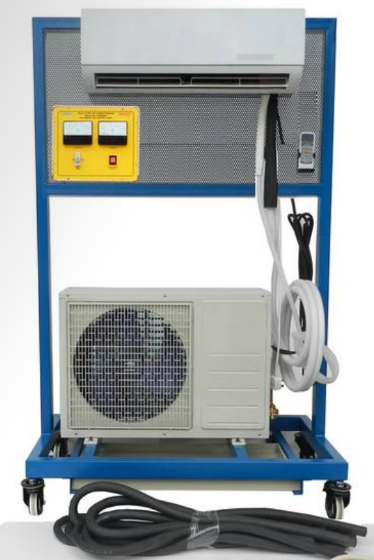
There’s a growing demand for skilled HVAC technicians across the country, and the ACTE floor reflected that. We saw a variety of HVAC trainers that help students master residential and commercial systems, from basic wiring to advanced diagnostics. As energy efficiency and clean technologies evolve, HVAC programs are becoming a critical part of preparing students for the future workforce.
4. Electric Vehicle Education Is Gaining Speed
Electric vehicle (EV) training is quickly becoming a must-have in automotive technology programs. EV trainers showcased at the conference allow students to interact with realistic electric vehicle systems, including batteries, inverters, and regenerative braking. These systems support instruction aligned with ASE standards and provide a safe, structured way to learn EV diagnostics and repair. With the auto industry shifting rapidly toward electrification, educators are recognizing the need to prepare students for these next-generation vehicles.

5. Compact, Flexible Equipment for Small and Shared Spaces
As more schools work within the constraints of older buildings or multipurpose classrooms, there’s a noticeable trend toward compact, desktop-friendly equipment. From desktop CNC lathes and portable engineering experiments, manufacturers are responding to the need for high-impact learning tools that don’t require a full-scale lab.
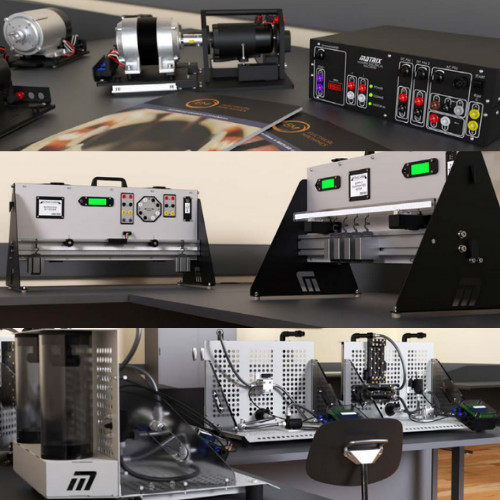
For programs tight on space, this equipment makes it easier to offer hands-on learning without compromising instructional quality, in any size lab.
Looking Ahead
As CTE programs work to align with new workforce demands, these trends offer exciting ways to engage students and build job-ready skills. At AET Labs, we’re here to help educators across New England explore and implement these innovations, from lab design and equipment selection to installation and instructor training.
If you're exploring new ways to modernize your CTE programs or align with emerging industry trends, our team can help you find the right technologies to bring your vision to life. Contact us today.