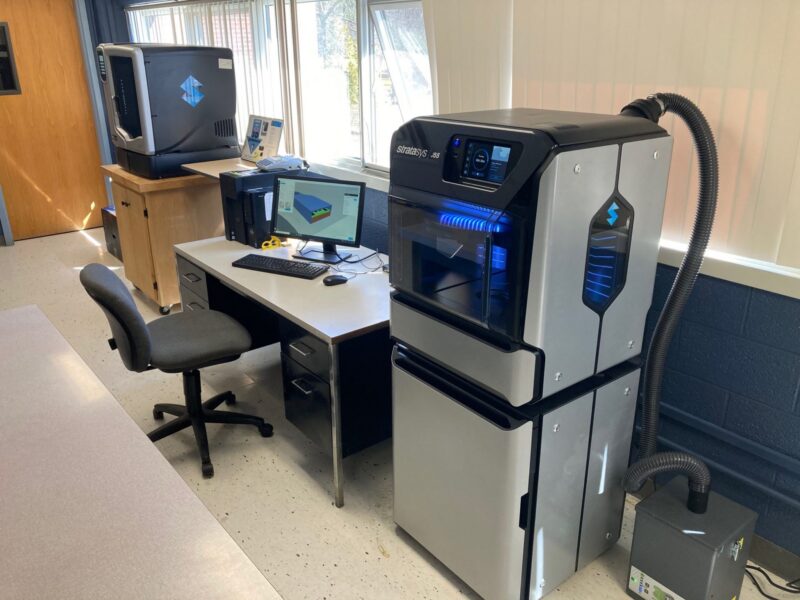
3D printing gives creative young students hands-on experiences with engineering and manufacturing challenges. And whether they’re in high school or college engineering programs, the only thing limiting their imagination is the technology at their fingertips.
That’s why Stratasys 3D printers are a popular choice for programs on all levels. Not only do they provide high-precision results, but they give users the flexibility to iterate quickly with materials that solve a wide range of engineering challenges.
How are the top makerspaces and engineering programs around the country unleashing student innovation with their Stratasys 3D printers? Here’s what we’re seeing.
1. Prototyping and Iterative Work
Prototyping is one of the highest-value skills students learn through 3D printing. 55% of manufacturers are using 3D printing for rapid prototyping today, with automotive, aerospace, and medical sectors accounting for 51% of the global industry.
To iterate quickly, students need printers that can reliably deliver professional results without thermal degradation and constant printing errors.
Just ask Boston University. They have thousands of students coming through their Engineering Product Innovation Center. The workflow is fast-paced—print, adapt, reprint. And the Stratasys FDM and PolyJet 3D printers are essential for keeping up with the high-volume demand.
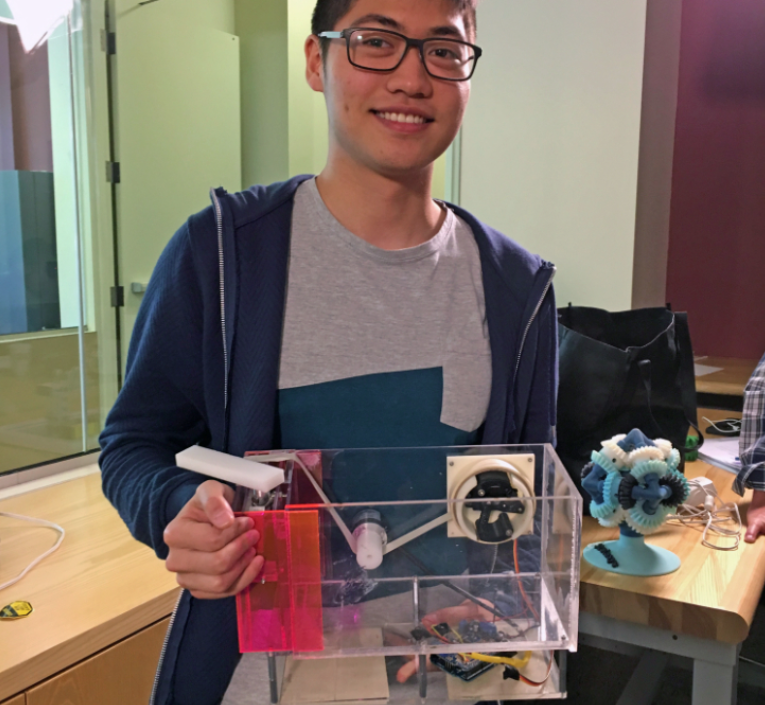
“We want [our students] to be great professional engineers, and the sooner we give them professional tools, the sooner they achieve that goal.” - Gerry Fine, EPIC Program Director, Boston University
2. Upleveling Robotics Projects
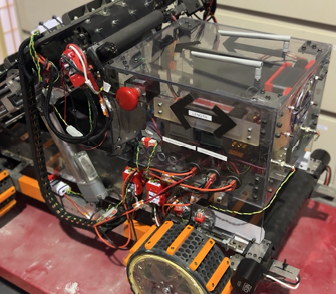
Robotics competitions push the limits of imagination, and 3D printing technology needs to offer the highest flexibility possible. Basic printers can create rigid parts—but what if the challenge needs a more pliable solution?
Stratasys printers did just that for a team at Temple designing the wheels for a lunar rover. They were able to print custom tires capable of absorbing impacts, deforming over obstacles, and handling tight turns.
Stratasys’s high printing fidelity for tread patterns and the ability to use flexible materials like TPU were essential for turning inspiration into out-of-this-world solutions.
3. High-Performance Racing Competitions
F1 is a massive hit in the U.S., with 52 million fans flocking to tracks in Miami, Las Vegas, and Austin every year for a dose of speed. The next generation of aspiring engineers are already testing their skills in racing design competitions—and 3D printing is helping them close the gap on professional results.
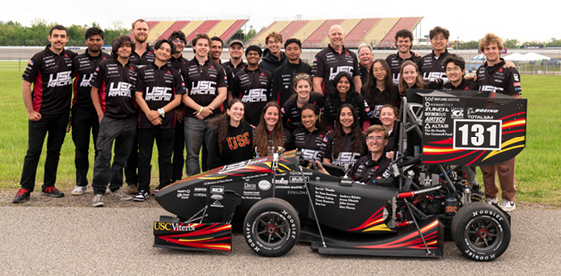
The University of Southern California’s Formula SAE team is using their Stratasys 3D printers to perfect components of their car that have typically required expensive engineering specialists. But it’s not just about making parts—the team is using Stratasys printers to uplevel every aspect of production.
- Aerodynamics: Stratasys’s printing precision allowed for extreme aerodynamic control and a 54% increase in performance over previous years.
- Tooling & Fabrication: USC’s team printed custom tools and jigs for bespoke manufacturing challenges.
- Materials and Optimization: Stratasys printers gave the team maximum flexibility for managing weight, heat, cost, and durability.
4. Unearthing the Arts
3D printing gives students a chance to dive through a museum display case and hold a priceless treasure in their own two hands. And it’s not just for curiosity’s sake either. High-fidelity printing is transforming how institutions present and preserve humanity’s most precious objects.
That’s why the University of Chicago turned to the Materials Research Science and Engineering Center and their Stratasys PolyJet printers to create a replica of the 5200-year-old Warka Vase.
Traditional plaster casts are risky, flawed, and feel cold to audiences. The PolyJet allowed curators to experiment with materials and textures that imbued the reproduction with the emotional impact and nuance of the original for visitors.
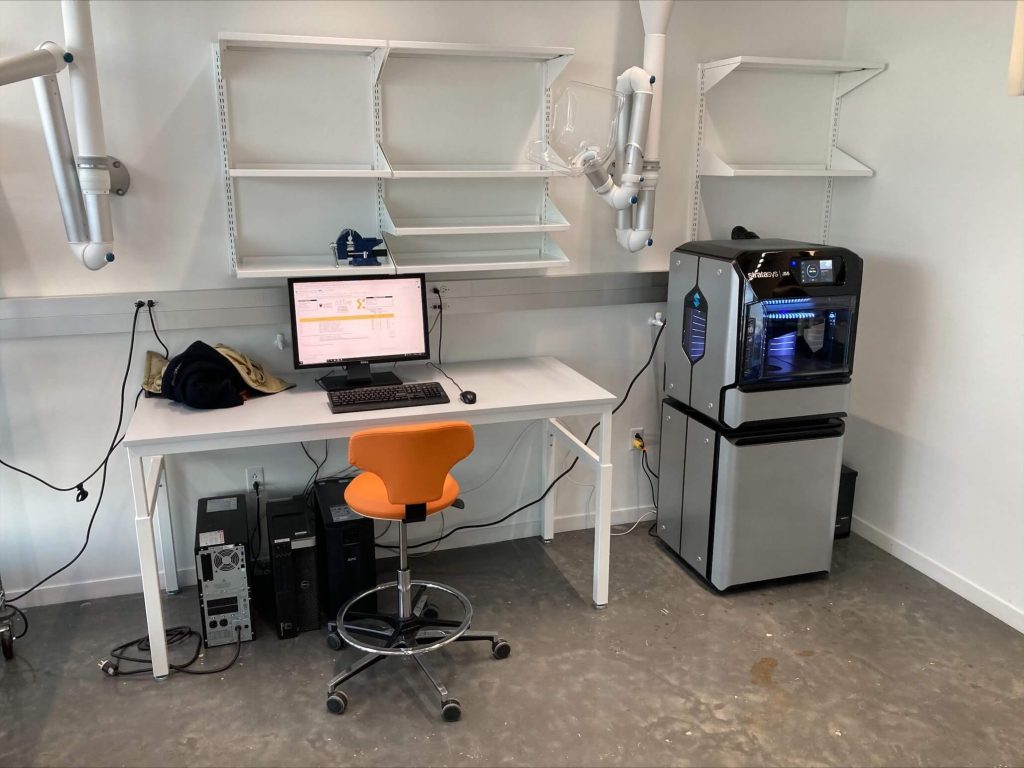
Get More From Your 3D Printing Lab with AET Labs
These programs are all pushing their Stratasys 3D printers to the limit. And all of these exciting projects are just a taste of what a Stratasys 3D printer can bring to your lab today.
How do we know? Because we specialize in helping makerspaces and engineering programs at technical high schools, colleges, and universities in New England get the most out of their classroom technology.
If you’re exploring new ways to get the most out of your 3D printers or troubleshooting issues standing in the way of student creativity, we’d love to connect. If your lab is looking to upgrade or invest in a new 3D printer, we can work closely to find the best fit for your program needs.We also provide maintenance services to ensure your students never stop prototyping and iterating, and make it easy to keep your finger on the pulse of today’s trends.
Ready to start exploring what your Stratasys can do? Contact AET Labs to learn more.