Anatomy instructors have traditionally had two options available for their classroom:
Books or bodies.
Do they work? Absolutely. But they come with some serious challenges.
Printed resources are informative and reusable, but they simply can’t deliver the hands-on training that health professionals need. Cadaver labs do, but the investment is enormous and ongoing.
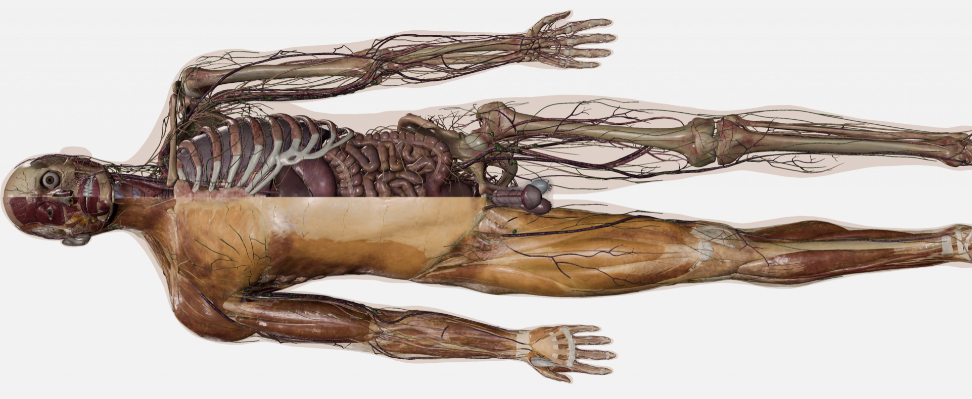
That’s why the top CTE health programs today are leaning into immersive hardware and software platforms to teach anatomy. These systems provide interactive 3D experiences of every aspect of human internal structures—no imagination or cleanup required.
Curious about what’s inside the best human anatomy training technology? Here’s how these systems are revolutionizing the way students explore anatomy in the classroom.
The Challenges of Teaching Human Anatomy
For many professions, understanding general concepts is sufficient preparation for the workplace. It’s expected that employees will learn and adapt on the job when they encounter real-life hardware and equipment.
Future healthcare providers have to show up on day 1 with a complete understanding of physiology—and most of it will be on the inside. That means CTE programs bear the burden of going above and beyond conceptual resources.
Whether it’s through cadaver dissection or virtual experiences, labs must empower students to:
- Look closely and review repeatedly
- Manipulate and explore each structure
- Understand how systems fit together in 3D space
- Perform dissection at any depth
- Label and study their subject
Why Interactive Solutions Are Effective
Virtual technology like Cadaviz and zSpace is giving teachers powerful new ways to present anatomy to their students. Not only do they offer a comprehensive view of human physiology both inside and out, but they alleviate many of the downsides of traditional anatomy labs.
- Cost. Acquiring, storing, and disposing of cadavers is extremely expensive, even though bodies are donated. Virtual options reduce or eliminate these costs.
- Consistency. Many donated specimens have physical variations or signs of chronic illness. Virtual body scans are vetted by top medical professionals.
- Program needs. Every curriculum is different, and digital options are highly customizable for every need. Views and modules can be customized by instructors to match student knowledge levels.
- Deeper engagement. Many classrooms rely on books and mannequins that don’t match the expectations of tech-savvy students. Virtual anatomy platforms draw learners in with vivid detail, familiar digital interfaces, and immersive experiences.
- High detail and real imaging. The best technology lets you zoom in, manipulate, and explore images taken from real scans of a human subject.
And because interactive solutions can be updated, CTE schools can expect their digital investments to keep pace with evolving technology.
Cadaviz
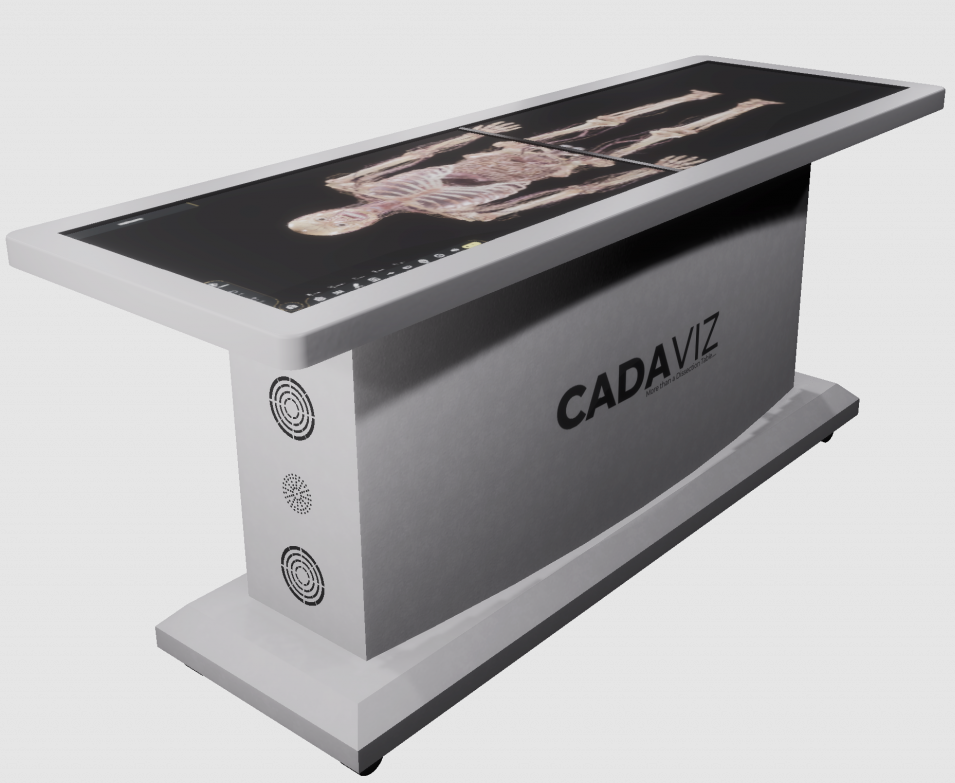
Cadaviz is the most advanced virtual dissection table on the market today. Teachers and students can use their fingers to dissect a life-size, high-detail human scan at any depth. Users have full 360-degree control over the full model and individual systems, and Cadaviz offers educational benefits above and beyond traditional dissection resources, including:
- Microscopic zoom resolution
- Working demonstrations of major organs
- Interactive labelling
- Limitless dissections of both sexes
- Split-screen capabilities, pinning, and multiple simultaneous dissections
- Layer-by-layer or incision dissection
Cadaviz also lets teachers leverage quizzes and use presets for dissection. And because cadavers are virtual, mistakes are easy to mitigate.
Finally, age-appropriate safeguards and adaptable settings make it an ideal resource for technical schools and colleges as well as top medical schools in New England.
zSpace
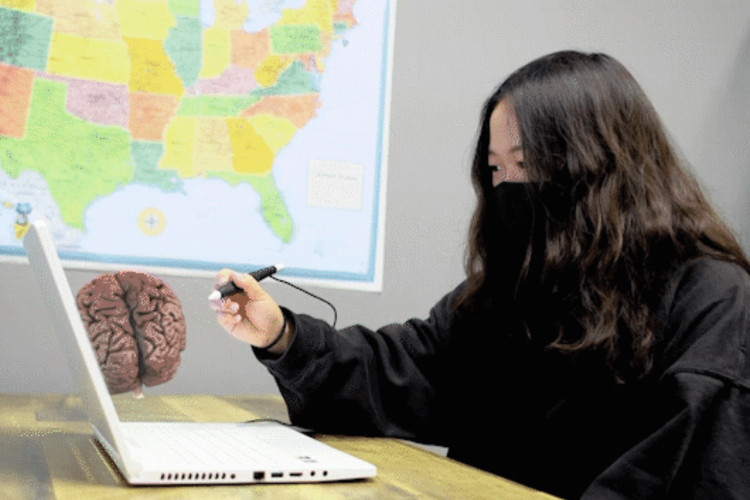
Augmented and virtual reality are making a huge impact in medical spaces, and zSpace is a leading educational platform that’s transforming how students learn anatomy in the classroom.
zSpace gives students a powerful tool for exploring virtual living body structures with 3D, high-resolution medical scans and models. Learners can also self-pace their learning, review challenging material, and present their work in an engaging, interactive format.
And because zSpace is designed with education in mind, anatomy students benefit from virtual learning strategies that exceed textbooks without relying on live dissection, including:
- Engaging experiences that are adaptable to a wide range of training purposes
- Realistic 3D simulations
- A large library of models to explore
- Easy customization for curriculum and learning preferences
How AET Labs Connects Anatomy Labs with Technology
Systems like Cadaviz and zSpace provide immersive, cost-effective solutions to traditional training and lab work. And these incredible resources are emerging technologies in health training programs.
At AET Labs, we specialize in connecting New England technical schools and community colleges with experience, guidance, and logistical support for the latest anatomy training technology. We also specialize in identifying grants that make these systems accessible, coordinate delivery and installation, and connect our partners with instructor training.
Are you ready to find out more about virtual anatomy training? Contact AET Labs to learn more about how virtual technology can transform your health sciences program.