
Architects today are leaning heavily into flexible, open designs that make it easy for teachers and students to adapt and explore. And it’s not just about aesthetics and enrollment. Studies show biophilic elements, adaptable architecture, and collaborative spaces are tied directly to better academic performance.
Of all the interactive spaces in schools, CTE labs are some of the most dynamic and inspiring—but they also represent some of the toughest design challenges.
Designers have to integrate large training equipment from day one, and a single oversight in HVAC, electrical, or plumbing can quickly turn into a million-dollar problem.
That’s why architects and project managers bring in specialized consultants for STEM and CTE labs. Here’s how they can help you avoid mistakes and get it right the first time around.
1. Grants and Funding Support
With renewable energy, life sciences, and robotics sectors surging in regions like New England, there’s no shortage of grants and funding opportunities for CTE programs.
But do you really know what’s out there? And what are these organizations looking for?
The right grant can transform your project scope, and a lot will depend on the technology and skills being taught.
Regional CTE consultants are tapped into a wide range of resources, and they understand what goes into a successful grant application. They can help schools apply for grants for training equipment, which supports architects and construction companies in managing the overall project budget.
2. Equipment Selection
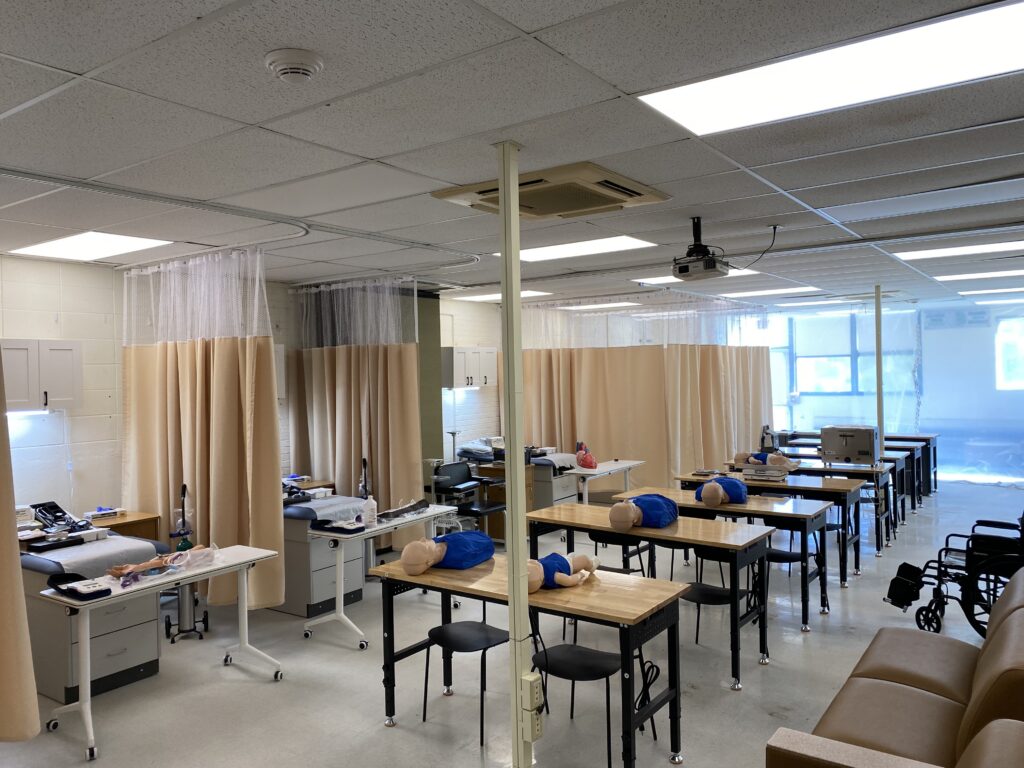
The average classroom can be used for many subjects, but CTE labs are built around technology from the ground up. And if you don’t pick the right equipment for your program, no design is going to make up for it.
Expert consultants have a deep understanding of the skills regional employers are looking for in the next generation of workers. They can help you pick industry-relevant training equipment that translates directly to on-the-job skills future employees will need.
Can instructors make those decisions?
While their voices are very important, industries are also developing rapidly. AI, automation, and robotics are revolutionizing the workplace, and technology educators are comfortable with today may not have the lifespan large investments require.
A CTE consultant can give you objective, knowledgeable recommendations about training technology that ensures your lab will remain valuable regardless of staff changes or evolving standards.
3. Handling Manufacturers and Timelines
CTE equipment specialists have deep relationships with the manufacturers you’ll work with, making it easier to get detailed equipment specs and delivery timelines. But architects and project managers may only interact with them once in their entire career.
Little bumps along the way can set the new lab back months and result in costly design changes that are rushed into action.
The lab you build is the lab the school will have for 20 years or more. One of the most valuable advantages a consultant brings to your project is the ability to coordinate multiple manufacturers and develop a comfortable timeline that leaves plenty of room for design and construction.
4. Layout and MEP Challenges
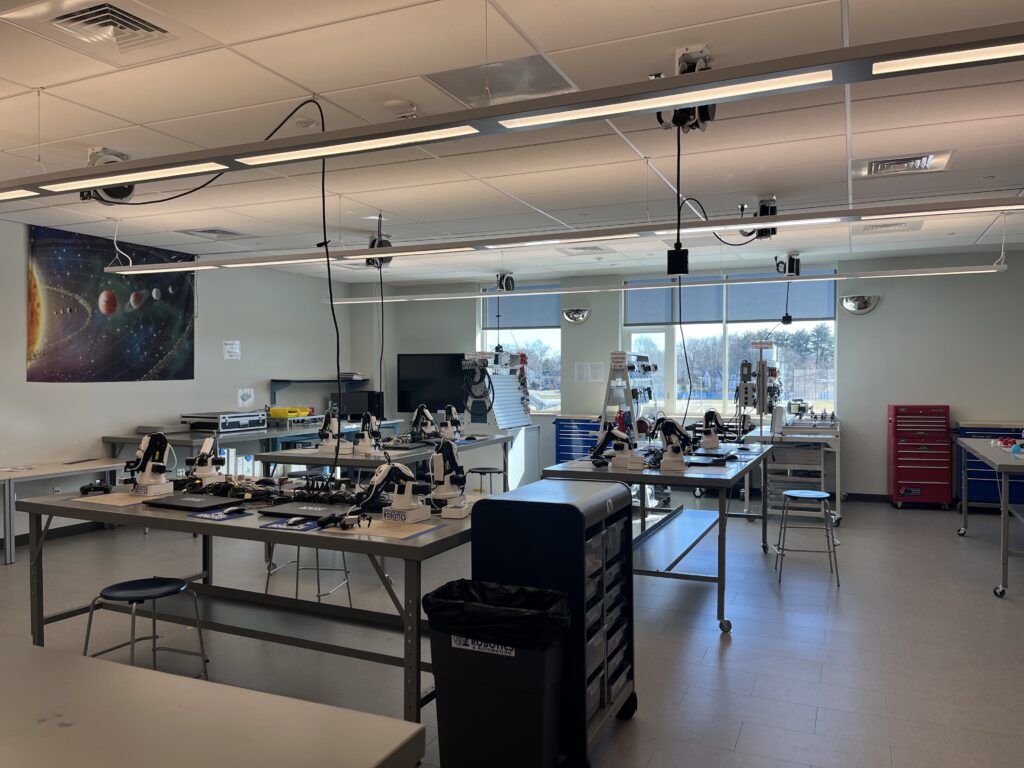
Once equipment has been selected for a CTE lab, it needs to be incorporated seamlessly into the design. Even an experienced firm may not be familiar with the technology you’ve chosen—and once it’s built, you’re stuck.
Consultants who work with CTE training equipment regularly know the exact mechanical, electrical, and plumbing requirements of each model. Not only will you avoid design and construction surprises, but you’ll get practical advice that supports routine maintenance and longevity.
Crucially, they also understand how instructors and students move around labs and utilize the space. A lot of equipment has a large, asymmetrical footprint, and storage and accessories need to be easily accessible without creating tight spaces.
By providing practical advice about traffic flow, and safety, designers can make bold choices without risking impractical results.
5. Delivery and Installation
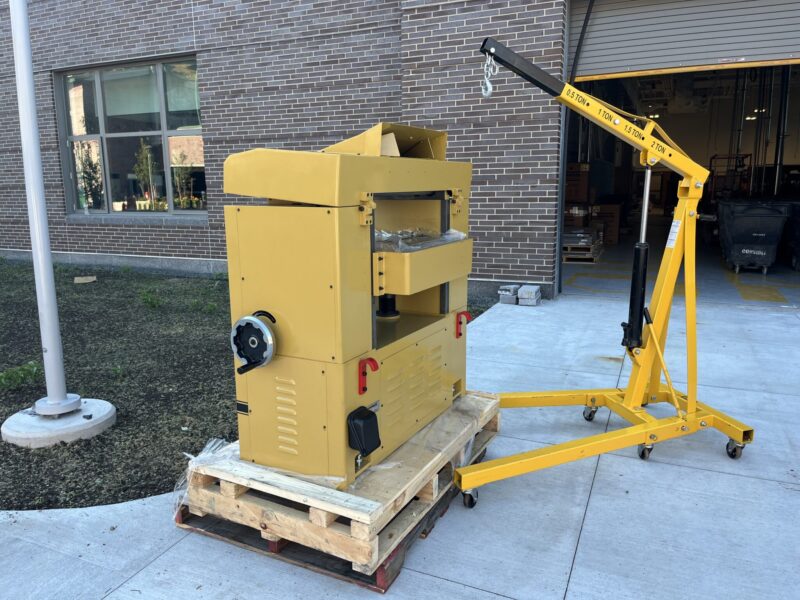
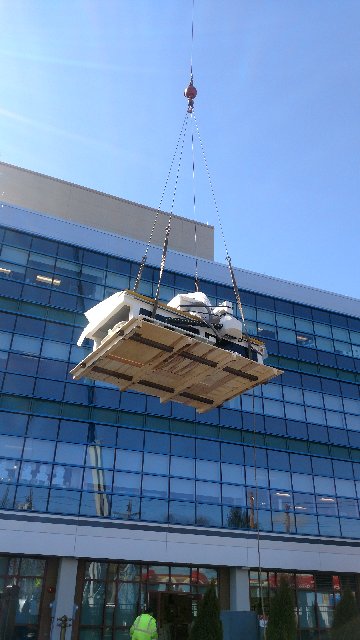
One of the most overlooked challenges of designing a CTE lab is coordinating delivery and installation. We’re not talking about a smart board and a few tables and chairs here—a single oversight with a big piece of equipment can quickly inflate your budget, compromise the lab, and set your launch back months.
There are several ways a consultant can make the process hassle-free:
- Communication. Every business is different, and they know how to navigate each vendor and ask the right questions.
- Scheduling. Individual manufacturers typically won’t coordinate with each other on delivery dates. An experienced consultant brings together manufacturers and construction managers to optimize delivery and storage. This is essential with large equipment that may need to be in place before doors and walls are installed.
- Installation. The vast majority of specialized CTE equipment comes in multiple pieces and requires expert installers. These professionals also ensure equipment is safely unpacked and dispose of large crates and boxes, avoiding hassles on the site.
Launching Your CTE Project with AET Labs
Laying the foundation for a new CTE lab starts long before the first concrete is poured. Every choice you make—from funding to equipment selection and installation—is a vital piece of a construction puzzle that can quickly go off the rails.
Our consultants at AET Labs specialize in helping New England architects and educational institutions design and build CTE labs that are a pipeline to tomorrow’s workforce. Through deep industry knowledge and decades of practical experience, we can ensure your CTE project runs smoothly and is an enduring addition to your client’s school.
AET Labs bridges the gap among architects, schools, and training equipment manufacturers to ensure your design is executed perfectly the first time. Contact us for support bringing your next project to life.