
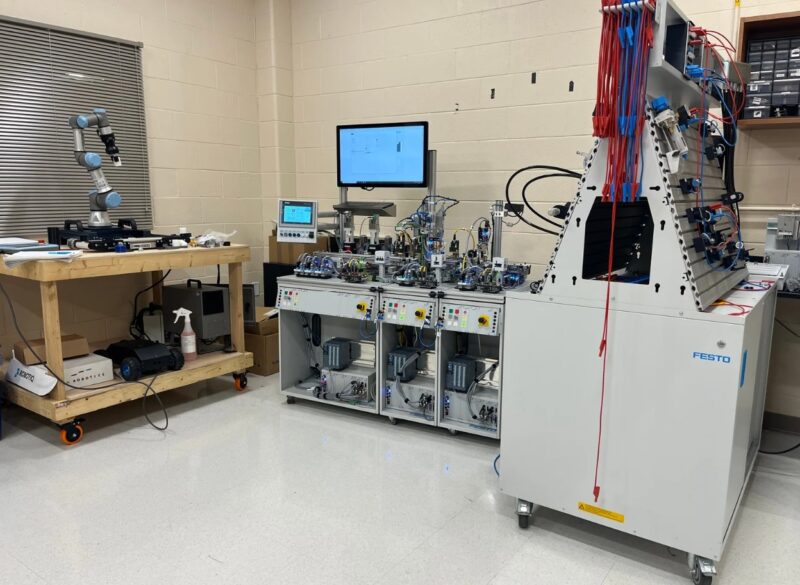
New England is a national leader for Industry 4.0 and advanced manufacturing, and momentum is building every day. Initiatives and investments in solar, EV infrastructure, life sciences, robotics, and automation technology are all creating opportunities for highly skilled workers—and the next generation of CTE graduates is in a position to capitalize.
But competition will be fierce for these jobs. High school programs will need to deliver hands-on experiences that translate directly to the workplace and align with current standards and industry needs.
Are you creating, renovating, or expanding a CTE lab for your program? Here are the key elements to consider that will make the most out of your investment.
Planning Your Project
Labs are significant investments that need to last decades, so connecting program goals with employment opportunities is essential.
When designing your program, consider:
- Institutional vision. What is the core mission of your school, who do you serve, and how will this lab support them?
- CTE frameworks. States like Massachusetts issue robust CTE frameworks, and it’s essential for your program to reflect the latest standards and guidelines.
- Industry opportunities. What careers will your students be pursuing, and how will your program align with available opportunities?
All of these aspects are vital to program success, and the top CTE programs engage regional consultants with deep expertise in New England’s workforce needs for guidance. Teachers also come and go, so labs need to be designed with flexibility and sustainability in mind.
Lab Layout and Design
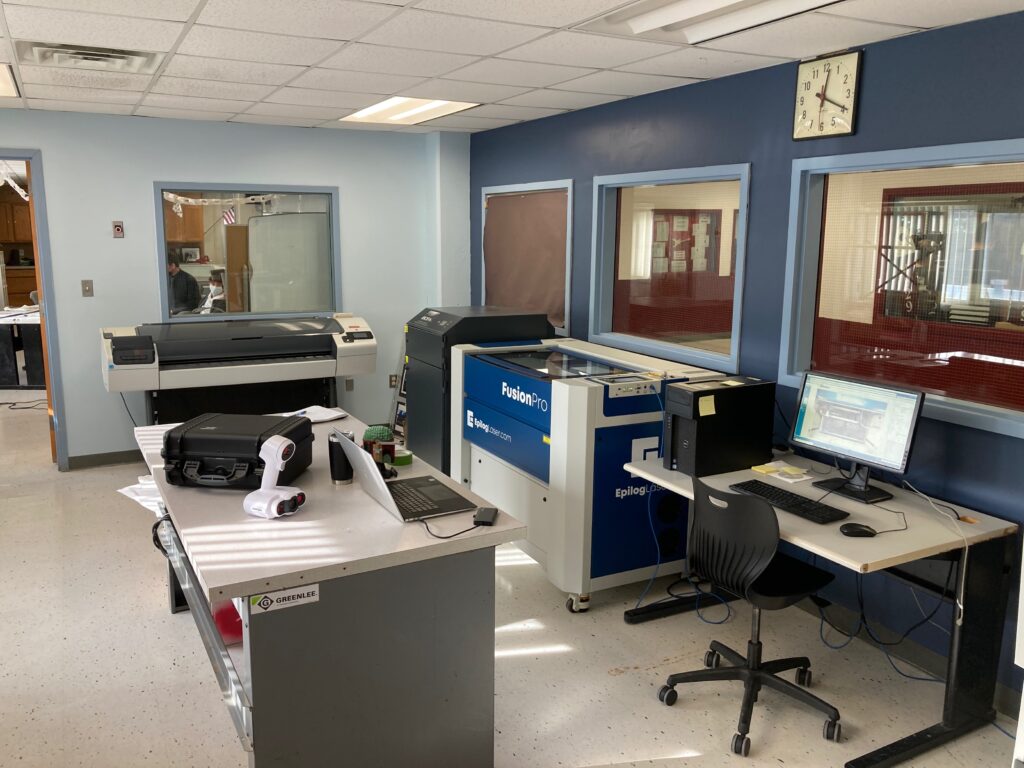
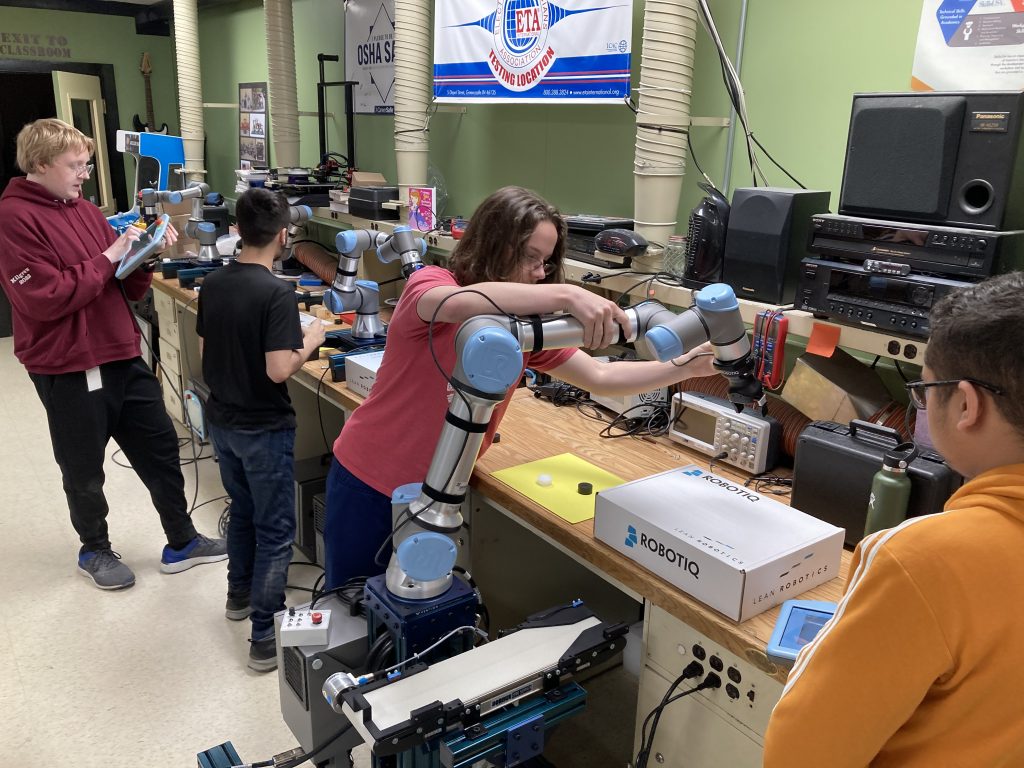
Unlike traditional classrooms, CTE labs are dynamic environments involving fixed and movable equipment. A well-designed space makes it easy for teachers and students to engage—but a poor layout can quickly become frustrating and limit the value your investments deliver.
Student Engagement
Labs support full-class activities, small groups, individual projects, and hands-on work with training equipment. Design should account for smooth traffic flow, safe perimeters, clear lines of sight, ease of access, and modular workflows.
Budget and Space Limitations
Very few programs have unlimited resources, and there are a lot of career training technology options on the market. The best investments strike a balance between realistic experiences, expenses, classroom size, program goals, and overall project budget.
Installation and Operation
Many pieces of lab equipment come with electrical, HVAC, and plumbing specifications. Making efficient use of existing systems and thoughtfully building new infrastructure is essential for keeping construction costs to a minimum and extending the lifespan of the lab.
Sourcing and Selecting Training Equipment
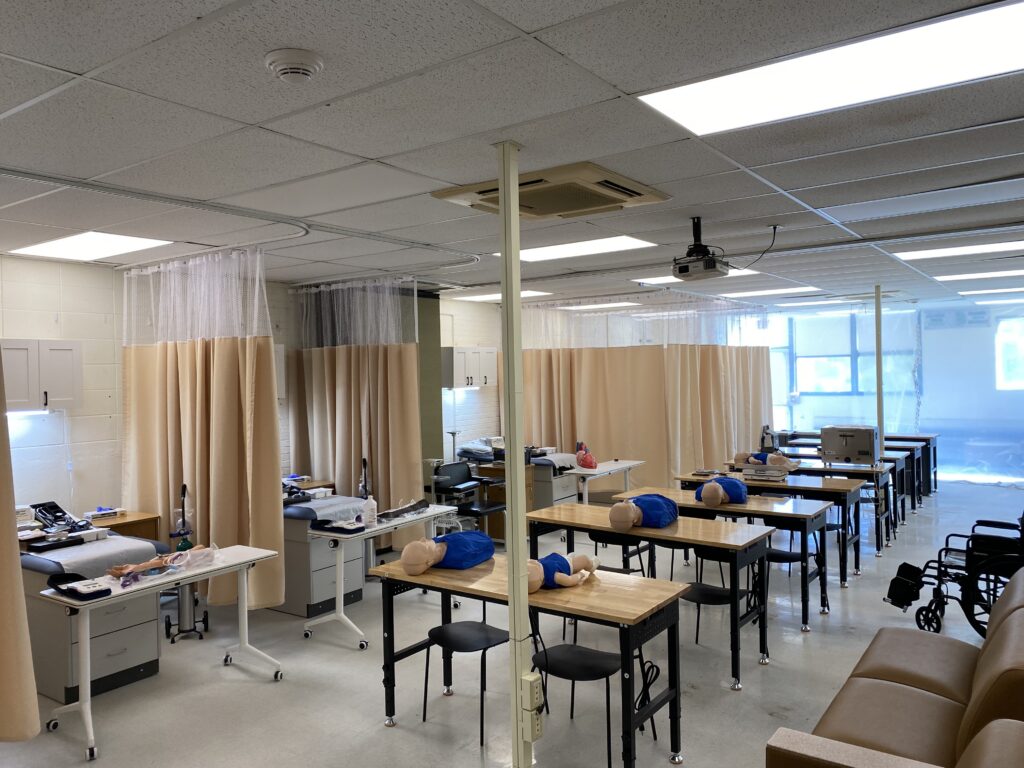
The technology and equipment you select translate directly to the employability of your graduates. Whether you’re building from scratch or updating an existing lab, your choices should reflect current and future skills employers are looking for.
Partnering with a specialized CTE equipment company that specializes in New England’s workforce is often the best way to ensure your investments align with evolving demand. They’ll be able to help you tailor your lab to local markets and create an educational pipeline that leads to employment opportunities.
A consultant can also assist with navigating equipment manufacturers and technology acquisition. Each vendor has their own system for sales, billing, delivery scheduling, and installation.
It can quickly become confusing—especially if multiple vendors are involved.
Installation
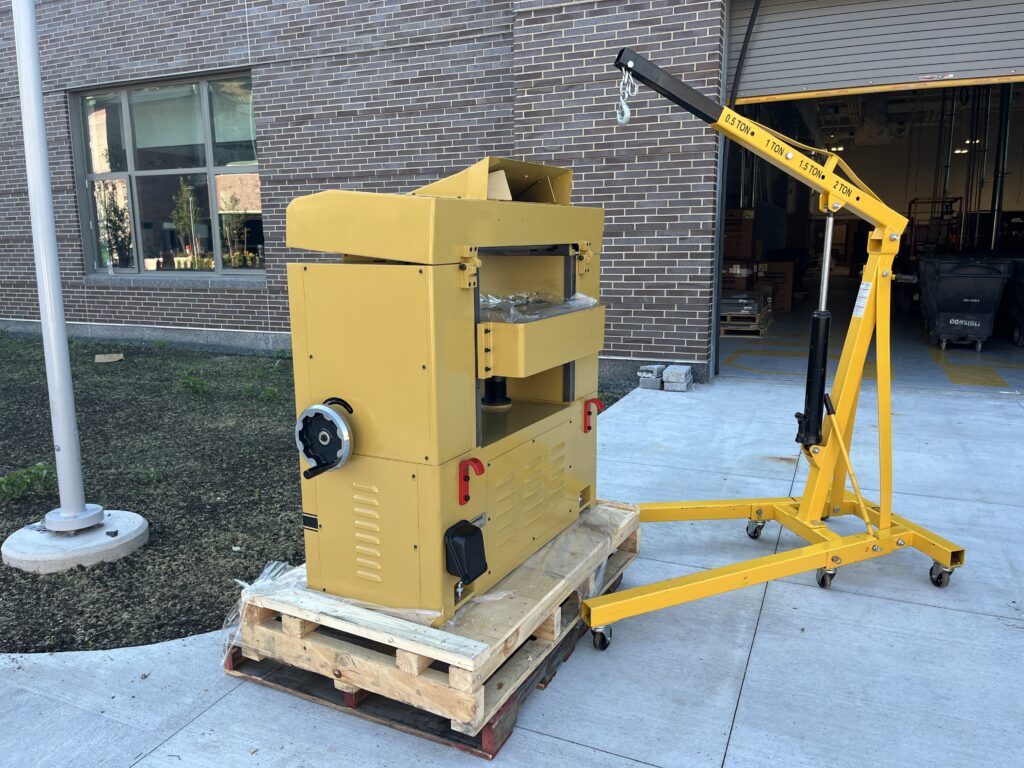
CTE training equipment can be large, heavy, and require professional handling throughout delivery and installation. Schools will need to consider several factors to avoid potentially costly issues.
Storage and Delivery
Lab spaces must be accessible, including wide doors and loading dock entry. If equipment is coming from storage or from another school, safe handling practices are essential throughout the moving process.
Coordination
Equipment often comes from multiple vendors, and may arrive in several pieces that need to be tracked, assembled, and hooked up to electrical, HVAC, and plumbing systems. Also, large installations may require heavy equipment like rigging, scaffolding, and forklifts that are rented and delivered.
All of these logistical challenges add up, and a consultant who specializes in CTE equipment will ensure all aspects of delivery and installation run smoothly.
Teacher Training for Lab Equipment
In many cases, instructors will also need to receive training to familiarize themselves with safety procedures and operations on new equipment. A local CTE equipment company can provide on-site training to ensure your new lab will be put to use.
Building the Future of CTE with AET Labs
A well-designed CTE lab with high job placement is a huge attraction for New England high schools—but it takes a lot of expertise to get it right.
AET Labs specializes in helping institutions across the Northeast design, build, and maintain their CTE labs with the best training technology and equipment on the market. We offer lab layout and equipment recommendations, assistance with coordinating manufacturers, and instructor training.
Contact AET Labs for a local partner to help you with your CTE lab. We can handle the entire process for you!