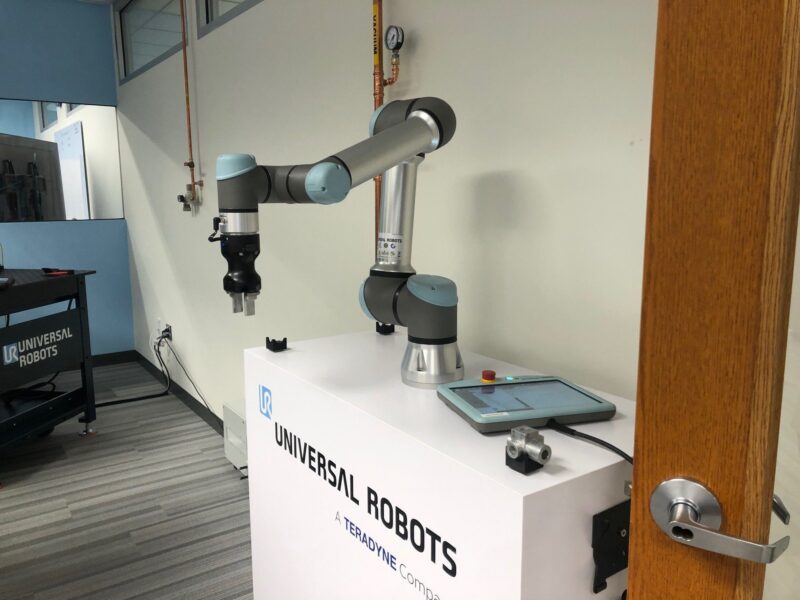
In 2023, industrial robotics was a $2.2 billion industry—and those numbers are only going up. Workers in automotive, food and beverage, and the medical industry are already working closely with robots in a wide range of applications, including handling, welding, assembly, and cleanroom processing.
The cost savings robotics offers in these industries is a big part of the reason why American industries have reshored 2 million jobs since 2024, with more to come in future years. They’re all predicted to see double- or triple-digit growth over the next decade, and New England is a leading national hub for all three.
That means technical high schools, community colleges, and universities featuring robust robotics and automation training are in a prime position to connect their students with these opportunities—if they have the classroom technology to keep pace.
What will you find in the leading programs in New England? Here’s how to incorporate game-changing robotics technology into your curriculum.
The Role of Robotics in Reshoring Strategies
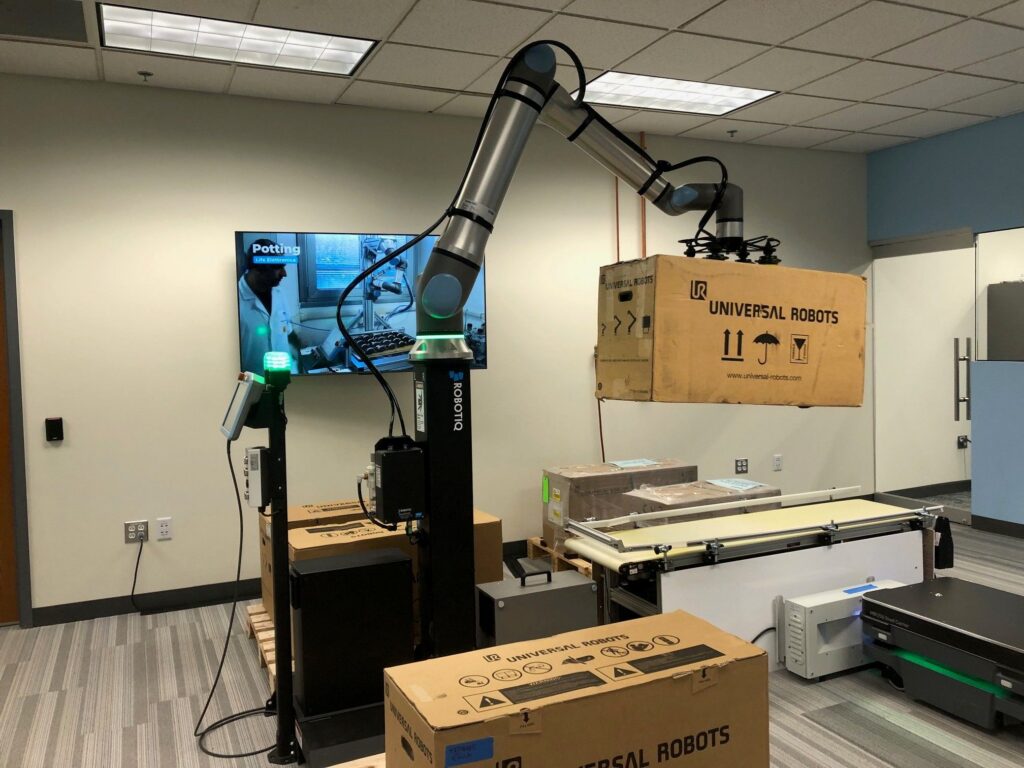
The shift in foreign manufacturing to domestic production centers around the intersection of economics, reliability, and technology.
The COVID pandemic exposed the risk introduced to U.S. manufacturers by cheap international labor, coupled with overextended supply chains. By leveraging robotics and advanced automation technology, American businesses can keep their supply chains onshore while mitigating the high cost of traditional workforce strategies.
As a result, employees with deep robotics knowledge and experience are in a position to capitalize on high-skill, high-reward jobs ranging from $55k-$70k a year with just a two-year degree.
And it’s not just limited to manufacturing.
Robots are becoming commonplace in industries like medical/surgery, pharmaceuticals, chemistry, automotive, construction, food prep, and even creative work like videography. Institutions that deliver high-quality robotics training provide their students with more career flexibility than ever before.
Robots in the Industrial Pipeline
Industry 4.0 is redefining how workers interact with technology in the workplace. There are two kinds of robots employees can expect to encounter, and each demands unique experience and skills:
Traditional Robots
Found in medium to heavy manufacturing, these systems require programming expertise and a thorough understanding of safety protocols and strategies.
Collaborative Robots
These lightweight, safety-oriented systems are designed for close human interaction in limited spaces.
Because training programs are often operating with limited resources, tight spaces, and inexperienced users, every robotics investment needs to deliver both industry-relevant skills and high approachability for learners.
Ideal Robotics Platforms for Classroom Applications
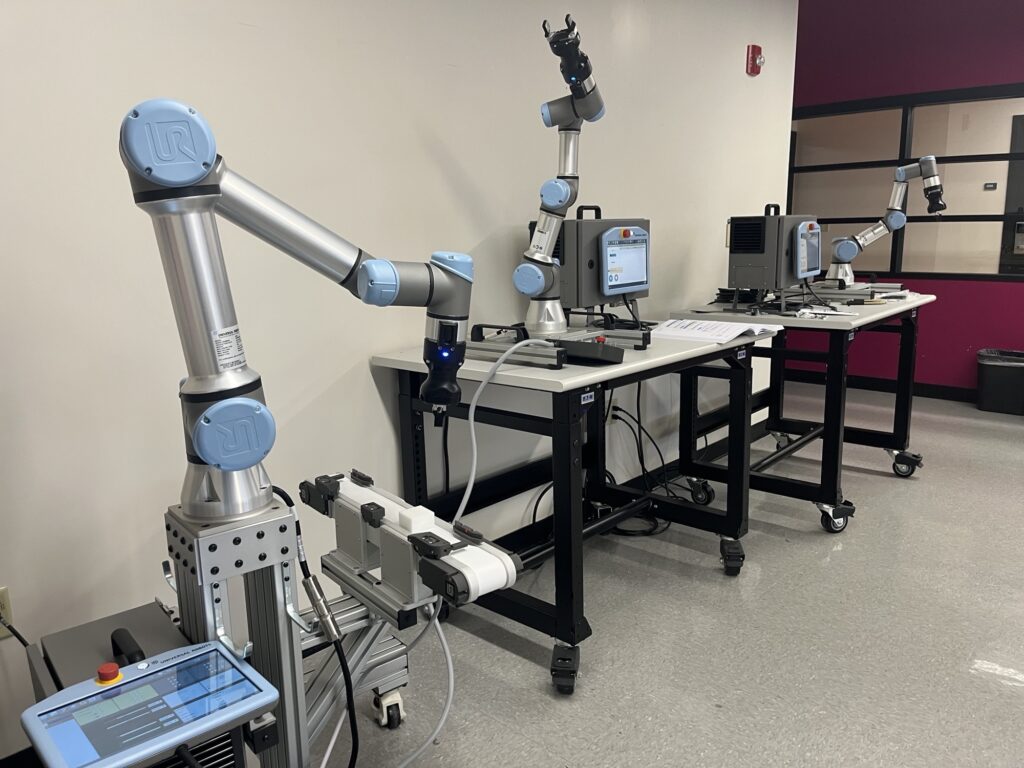
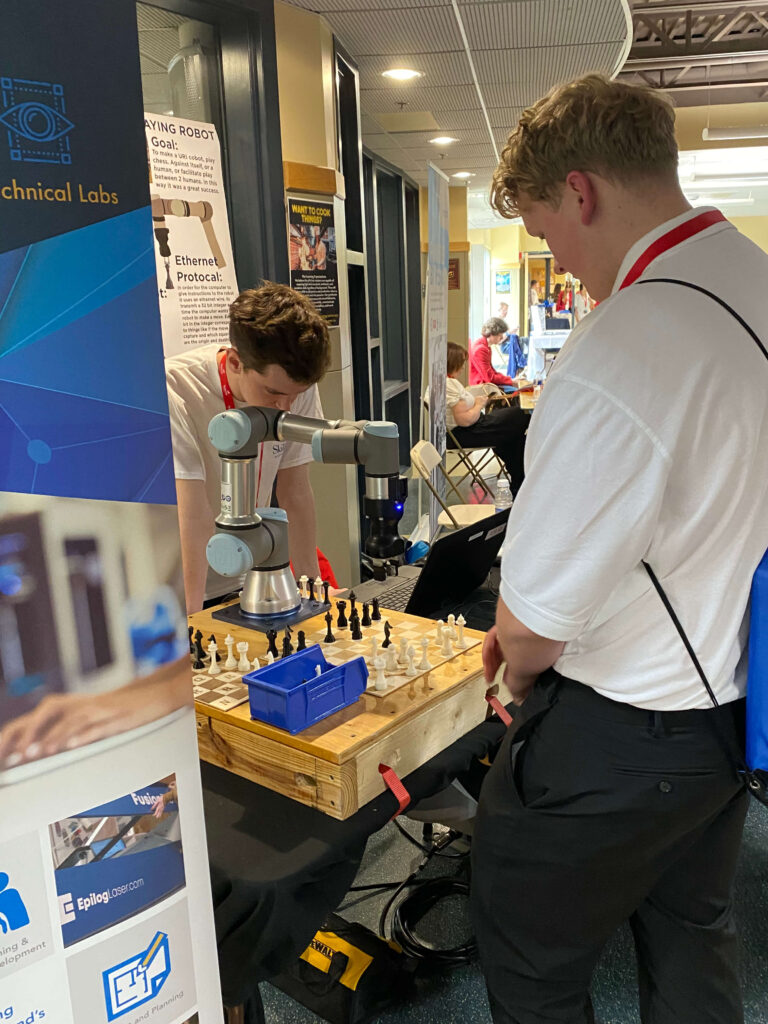
Universal Robots cobots are considered a gold standard for Industry 4.0 training and an ideal choice for technical education programs. These systems allow educators to create hands-on curricula exploring a full range of robotics topics, such as:
- Principles of robotics
- Programming
- Safety and settings
- Operations
- Palletizing
- Features and hardware
And with an exclusive educator package from an industry-leading consultant, instructors can get everything they need to launch a robotics training program:
- UR3/5e Robot Unit with Gripper demo package
- Mounting kit options for multiple applications
- UR Academy Hardware Set
- Formalized core curriculum with 24 student licenses
Students can also gain industry-recognized certifications in these areas as part of their learning experience.
Training and Curriculum Support
Because these systems are cutting-edge, institutions implementing robotics platforms often benefit from curriculum guidance and development opportunities, including:
- Teacher training programs
- Certifications
- Materials and course design
Universal Robots offers a 4-day Teacher Certification Program that empowers teachers to guide their students through the UR Academy Education program. This program delivers fundamental competencies and industry-relevant skills, and allows educators to provide an industry-recognized credential in robotics to their students.
Anticipating Industry Developments
Of course, going live with a new robotics curriculum takes more than strategic purchasing. Advanced manufacturing is a rapidly evolving sector, and reshoring activities thrive on leveraging technological and strategic advances.
That means robotics training programs will need partners with deep industry connections to keep pace—and it won’t be slowing anytime soon.
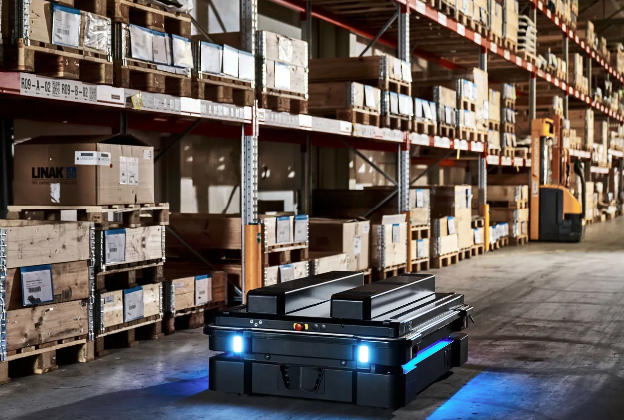
Manufacturers are already looking at the next generation of robots, and they’ll need skilled workers for programming, integrating, and troubleshooting. AI is already beginning to assist with decision-making in robotics, and mobile industrial robots are optimizing operations with autonomous workflows.
Partnering for the Future of Industry 4.0
The robotics trend will continue to boom as new technology and business initiatives reshape New England industries, and AET Labs is helping robotics and automation labs across the region to keep pace.
We specialize in connecting our local training institutions with ideal training platforms that provide industry-relevant skills and certifications that translate directly to careers in Industry 4.0. AET Labs also offers end-to-end support for our partners, from design and funding consultation through installation and support.
Contact AET Labs for a local partner to help you bring hands-on robotics training to your lab.